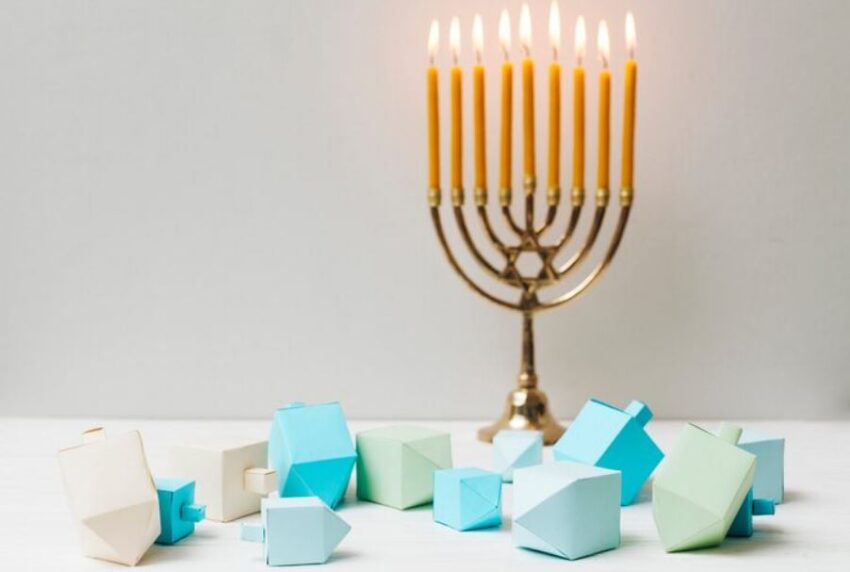
In the past, purchasing a menorah required going to a tiny Judaica store on a side street in Brooklyn or the Upper West Side. Most likely, the store owner was aware of your name. The choices were simple: brass, silver-plated, possibly an Israeli handmade item. Although it hasn’t completely vanished, something louder and much more competitive has displaced it. The Hanukkah menorah market is now a legitimate commercial arena, and the companies vying for market share are using strategies that would be appropriate in any conflict involving consumer goods.
When you visit a Target or Walmart in late November, you’ll see sections dedicated to Hanukkah merchandise—something that would have seemed improbable ten years ago. Electric menorahs in matte black and brushed gold, onesies with latke patterns, and Dreidel-shaped dog toys. Retail behemoths have obviously determined that there is money to be made here, and they are correct. Once a specialized afterthought in holiday retail planning, the American Jewish consumer market has developed into a market that big brands actively target. However, the true conflict isn’t between Walmart and Target. It’s between the menorah brands themselves, with licensed lifestyle labels, direct-to-consumer startups, and traditional Judaica houses vying for the same clientele.
The competition now has a very contemporary feel to it. The mass-market channel has long been supplied by smaller companies like Rite Lite and Zion Judaica, which produce reasonably priced menorahs that end up in big-box stores in large quantities. Accessibility is their selling point: a menorah that is affordable for any household. However, a number of boutique rivals have surfaced in recent years, marketing themselves as the high-end substitute. These more recent competitors place a strong emphasis on Instagram aesthetics, design, and craftsmanship. They sponsor content related to Hanukkah, send free merchandise to Jewish influencers, and set their prices so high that a traditional Judaica retailer would blink. It’s difficult to ignore how much this resembles what happened with Christmas décor a generation ago, when handcrafted ornament makers started to compete with mass-produced imports.
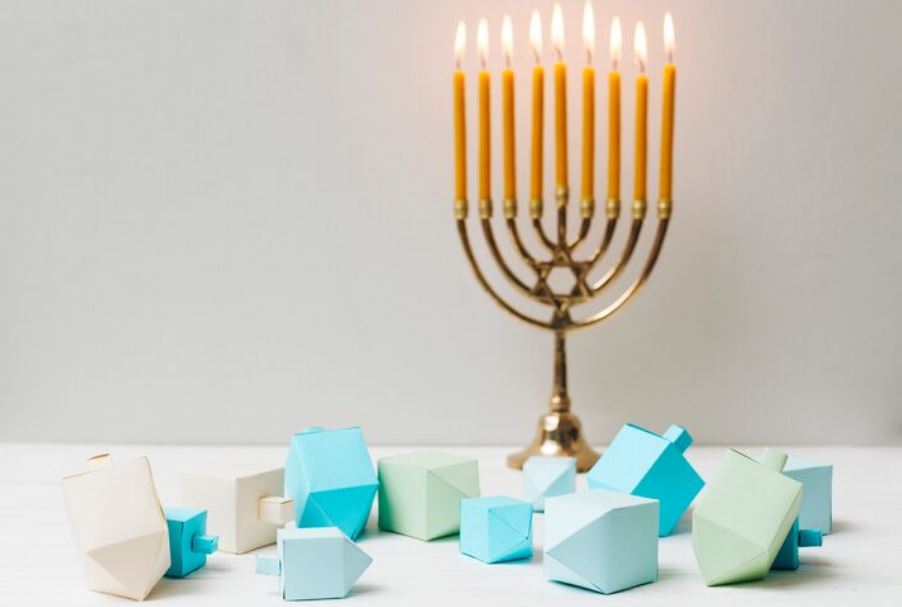
However, the cultural significance of the item is what distinguishes the menorah market. You can’t use a menorah as a stocking stuffer. The miracle of oil lasting eight nights when it should have only lasted one is a religious artifact connected to a tale of faith and survival. In this market, brands must tread extremely carefully. You run the risk of offending astute consumers who regard the menorah as sacred if you push too hard on commercialization. If you continue to be overly conventional, you risk losing the younger, fashion-forward crowd who want their Judaica to match their apartment.
According to art historian Kerri Steinberg, one of the paradoxical ways that Judaism has been preserved in America is through commercialization. In a nation that has traditionally promoted assimilation, the branding and packaging of Jewish identity through consumer goods has helped preserve cultural uniqueness. Watching menorah brands compete not only on price but also on meaning lends credence to that notion. One business highlights its Safed artisans. Another emphasizes carbon-neutral shipping and recycled materials. A third contributes a portion of every sale to Holocaust remembrance organizations.
In ways that are hard to measure but impossible to ignore, the geopolitical context has also changed the market. American Jewish communities have reported elevated anxiety, heightened security concerns, and a complex relationship with public displays of identity since October 2023. Some families are reconsidering their decision to put electric menorahs in their windows. Others, who see the public menorah as an act of defiance, have intensified their efforts. In response, some brands have used messaging that highlights pride and visibility, while others have used more subdued campaigns that emphasize home and family.
In the industry, there is a sense that this season might be a game-changer. The same identity-reclamation impulse that propelled the success of matzah pajamas, Manischewitz-branded accessories, and gefilte fish T-shirts has also contributed to the steady growth of the Jewish holiday merchandise market. The menorah wars are more about who gets to define what modern Jewish celebration looks like than they are about shelf space if capitalism has been the primary framework through which American Jewish identity has expressed itself. It’s still unclear if the big retailers will eventually absorb the aesthetic innovations of the smaller players and resell them at a discount, or if the boutique brands can maintain their margins against the mass-market incumbents. In any case, one of the more fascinating battlegrounds in American retail is the silent aisle where menorahs used to sit unnoticed.