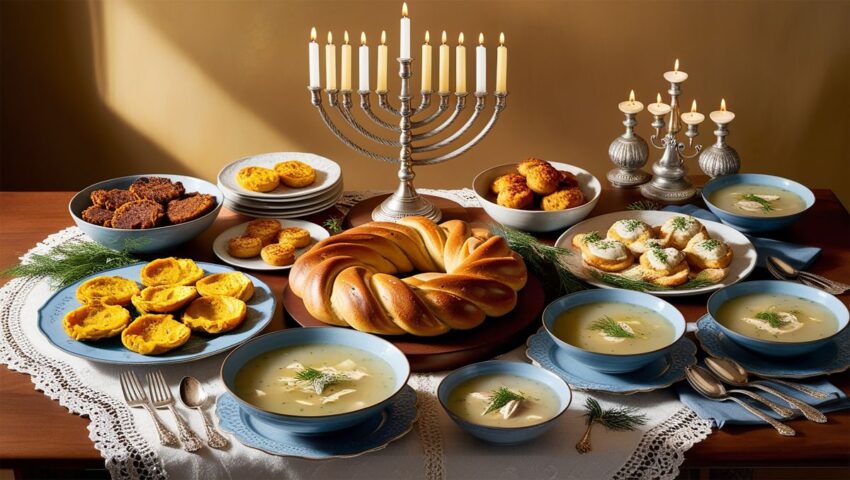
Hanukkah, the Jewish Festival of Lights, is a celebration steeped in history, family, and, perhaps most deliciously, oil. Unlike some holidays where the menu might change yearly, the central theme of Hanukkah cuisine remains consistent: deep-fried indulgence. This tradition is not merely about deliciousness; it is a tangible, edible commemoration of the ancient miracle that gives the holiday its profound meaning.
The eight-day holiday commemorates the victory of the Maccabees over the Seleucid Empire in the 2nd century BCE and the rededication of the Second Temple in Jerusalem. When the Maccabees sought to light the Menorah, they found only a single cruse of ritually pure oil—enough to burn for one day. Miraculously, the oil lasted for eight days, the time required to prepare a fresh supply.
This miracle is the foundation of Hanukkah’s culinary tradition. Every dish prepared, from savory potato pancakes to sweet jelly doughnuts, is fried in oil to recall the enduring power of that tiny flask. These foods don’t just warm the belly; they warm the heart, connecting families across generations through the sizzle of hot oil and the aroma of holiday cheer.
The Edible History: Classic Hanukkah Latkes
The Latke, or potato pancake, is arguably the most recognizable symbol of Hanukkah cuisine outside of the menorah itself. Simple in construction but complex in flavor and texture—a perfect balance of crisp exterior and tender, savory interior—the Latke is an essential part of the holiday spread. While various cultures have versions of fried vegetable fritters, the Jewish tradition cemented the potato version in the 19th century after the tuber became a staple crop in Eastern Europe.
The secret to a truly excellent Latke lies in two things: drainage and heat. You must remove as much moisture from the grated potato mixture as possible, and the oil must be hot enough to instantly crisp the batter.
Recipe: Golden Potato Latkes
Yields: 12-15 medium latkes Prep Time: 20 minutes Cook Time: 20 minutes
Ingredients:
- 2 lbs Russet potatoes (about 4 large)
- 1 small yellow onion
- 1 large egg, lightly beaten
- 1/4 cup all-purpose flour or matzo meal
- 1 teaspoon kosher salt
- 1/2 teaspoon black pepper
- Vegetable oil or canola oil, for frying (about 1 cup)
Instructions:
- Prepare the Mixture: Peel the potatoes and roughly chop the onion. Using a box grater or a food processor with a grating attachment, coarsely grate the potatoes and the onion.
- Crucial Drainage Step: Place the grated potato and onion mixture into a clean kitchen towel (or several layers of cheesecloth). Twist the towel tightly and squeeze out as much liquid as possible—this step is vital for crispy latkes. The drier the mixture, the crispier the final product will be. Discard the starchy liquid.
- Mix the Batter: Transfer the dried mixture to a large bowl. Add the beaten egg, flour (or matzo meal), salt, and pepper. Mix until just combined. Do not overmix, as this will activate the starch and make the mixture gummy.
- Heat the Oil: Pour the oil into a large, heavy-bottomed skillet until it reaches about 1/4-inch depth. Heat the oil over medium-high heat until shimmering (around 350°F / 175°C). Test the oil by dropping a tiny piece of potato mixture into it; it should sizzle immediately.
- Fry the Latkes: Using a tablespoon or an ice cream scoop, drop the mixture into the hot oil, flattening the tops slightly with the back of a spoon to form discs about 3 inches wide. Do not overcrowd the pan.
- Flip and Drain: Fry for 3–5 minutes per side until deeply golden brown and crisp. Remove the latkes and place them on a rack lined with paper towels to drain excess oil. Serve immediately.
Serving Suggestions: While Latkes are wonderful on their own, the traditional toppings—a dollop of cool sour cream to contrast the heat and tang, or a spoonful of sweet applesauce—are essential for the full Hanukkah experience.
Sweet Indulgence: Sufganiyot (Jelly Doughnuts)
Across the globe, while Latkes reign supreme in Ashkenazi communities, the Sephardic tradition often favors the Sufganiyah (plural: Sufganiyot), a fluffy, yeast-risen doughnut filled with jelly and dusted with powdered sugar. In Israel, the Sufganiyah is the dominant Hanukkah sweet, proudly displayed in bakeries during the holiday season. The miracle of the oil is celebrated here through a sweet, irresistible sponge of fried dough.
Making Sufganiyot requires patience, as yeast dough demands time, but the reward—a cloud-like doughnut that melts in your mouth—is well worth the wait.
Recipe: Classic Jelly Sufganiyot
Yields: 10-12 doughnuts Prep Time: 45 minutes (plus rising time) Cook Time: 15 minutes
Ingredients:
- 3 cups all-purpose flour, plus more for dusting
- 1/4 cup granulated sugar
- 1 package active dry yeast (2 1/4 teaspoons)
- 1/2 teaspoon kosher salt
- 3/4 cup warm milk (about 105°F / 40°C)
- 2 large eggs
- 2 tablespoons unsalted butter, softened
- Vegetable oil or canola oil, for frying (about 4 cups)
- Raspberry or strawberry jam, for filling
- Powdered sugar, for dusting
Instructions:
- Activate Yeast: In a large bowl, whisk together the warm milk, sugar, and yeast. Let stand for 5–10 minutes until foamy.
- Make the Dough: Add the eggs, salt, and half the flour to the yeast mixture. Mix until combined. Gradually add the remaining flour and the softened butter. Knead the dough either by hand or with a stand mixer for about 8 minutes until smooth and elastic.
- First Rise: Place the dough in a lightly oiled bowl, cover it with a towel, and let it rise in a warm place for 1.5 to 2 hours, or until doubled in size.
- Shape the Doughnuts: Punch down the risen dough and turn it out onto a lightly floured surface. Roll the dough out to about a 1/2-inch thickness. Use a 3-inch round cutter to cut out the doughnuts. Place the cut rounds on a baking sheet lined with parchment paper, cover them loosely, and let them rise for a second time for 30–45 minutes.
- Frying: Heat the oil in a deep pot or Dutch oven to 375°F (190°C). Carefully drop the risen doughnuts into the hot oil (do not overcrowd) and fry for 1.5 to 2 minutes per side until deep golden brown.
- Fill and Finish: Remove the Sufganiyot and place them on a paper towel-lined tray to cool slightly. Once cool enough to handle, use a piping bag fitted with a long, narrow tip to inject jam into the center of each doughnut. Dust generously with powdered sugar before serving.
Beyond the Fryer: Essential Accompaniments
While the fried foods steal the spotlight, a successful Hanukkah feast is made complete with dishes that complement the richness of the oil.
Recipe: Quick Homemade Applesauce
Applesauce is the perfect palate cleanser for Latkes, offering a sweet and tart foil to the salty potato and oil. Making it homemade is quick and far superior to store-bought varieties.
Ingredients:
- 4 large cooking apples (such as McIntosh or Fuji), peeled, cored, and chopped
- 1/2 cup water
- 1/4 cup granulated sugar (adjust to taste)
- 1/2 teaspoon ground cinnamon
- Pinch of nutmeg (optional)
Instructions:
- Simmer: Combine all ingredients in a medium saucepan.
- Cook: Bring to a boil, then reduce heat to low, cover, and simmer for 15–20 minutes, or until the apples are very tender.
- Mash: Use a potato masher or an immersion blender to achieve your desired consistency—some prefer chunky, others smooth. Serve warm or chilled alongside your Latkes.
Hanukkah is a time to remember the past, celebrate perseverance, and gather with loved ones. Whether you find yourself grating potatoes for the perfect Latke, or waiting patiently for the yeast to work its magic on a batch of Sufganiyot, the food of Hanukkah is a joyous, shimmering reminder of the miracle of light and oil. Embrace the deliciousness and may your holiday be bright!