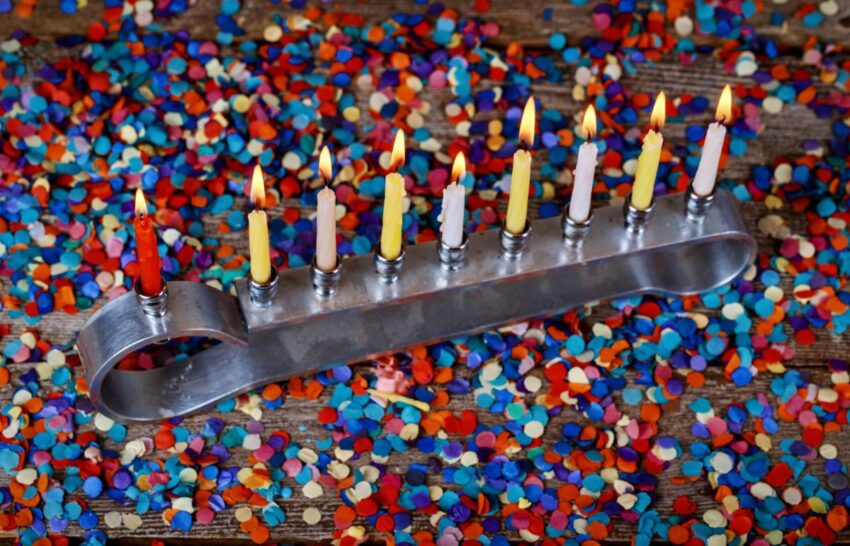
Hanukkah, the Festival of Lights, is a celebration centered on a miracle: a tiny cruse of oil, meant to last for just one day, burned brightly for eight. This ancient story of resourcefulness, endurance, and light over darkness offers a powerful framework for embracing modern sustainability. The Jewish concept of tikkun olam—the imperative to repair the world—extends directly to our celebrations, urging us to make choices that honor both tradition and our planet.
An eco-friendly Hanukkah is not about sacrificing joy; it is about amplifying it by being more conscious, resourceful, and intentional in how we light, feast, and give.
Greening the Glow: Sustainable Menorah Lighting
The nightly ritual of lighting the menorah is the heart of Hanukkah. While traditional paraffin candles or oil are essential, we can choose options that minimize environmental impact.
1. Choosing Conscious Candles and Wicks
Traditional Hanukkah candles are often made from paraffin wax, a byproduct of petroleum refining, which releases toxins when burned. Making a simple switch can significantly improve indoor air quality and reduce your carbon footprint:
- Beeswax Candles: These are a fantastic, natural alternative. Beeswax is a renewable, biodegradable resource and burns longer and cleaner than paraffin. Its natural, sweet aroma is a pleasant addition to the holiday atmosphere.
- Soy or Vegetable Wax Candles: Another plant-based, renewable option that is generally cleaner-burning than paraffin. Ensure they use cotton or hemp wicks rather than wicks with metal cores.
- Oil and Wicks: If you use an oil menorah (a beautiful tradition that more closely mimics the Temple menorah), opt for high-quality, pure olive oil. The olive tree is historically significant to the Jewish people and olive oil is a natural, sustainable fat. Choose cotton wicks and minimize overfilling to prevent unnecessary smoke.
2. The Durable Option: Electric and LED Menorahs
While less traditional for the main nightly ritual, an electric or LED menorah, particularly one powered by rechargeable batteries, is the ultimate zero-waste option for year-to-year use. These can be beautiful, artistic pieces of Judaica placed in windows or on mantels, requiring only a one-time purchase and minimal energy.
Sustainable Feasting: Oil, Food Waste, and Ingredients
The culinary focus of Hanukkah—deep-fried foods like Latkes and Sufganiyot—is intrinsically linked to the miracle of the oil. This tradition requires careful management of ingredients and, critically, the disposal of used oil.
1. Responsible Oil Management
Never pour used cooking oil down the drain; it clogs pipes and damages water infrastructure.
- Oil Recycling: Allow the oil to cool completely, then strain it through cheesecloth or a coffee filter into a sealable, non-recyclable container (like a plastic milk jug or glass jar). Research local recycling centers or community composting programs that accept cooking oil. Many municipal waste services offer drop-off points.
- Minimal Frying: Consider alternatives to deep-frying. Baking Latkes or using an air fryer significantly reduces the amount of oil needed while still achieving a delightful crispiness, honoring the spirit of the oil without the environmental cost of excess.
2. Local, Seasonal, and Plant-Based Ingredients
Reduce the carbon footprint of your holiday feast by prioritizing ingredients that have traveled less distance.
- Local Produce: Potatoes and onions (the Latke essentials) are often easy to source locally, especially in cooler climates. Check farmers’ markets for apples for your applesauce.
- Reduce Meat: While many Hanukkah meals feature brisket or roast chicken, consider making vegetarian and vegan dishes the star. Hearty, seasonal vegetable stews, robust salads, or lentil-based recipes minimize the environmental impact associated with industrial meat production.
3. Zero-Waste Kitchen Practices
Hanukkah feasts often generate significant food waste. Plan menus carefully and institute a kitchen composting system. Potato peels, apple cores, and vegetable trimmings should be diverted from the landfill and added to a compost bin. Store leftovers in reusable containers, encouraging guests to take food home, or repurpose them into new dishes the following day.
Thoughtful Giving: Low-Impact Gifts
The tradition of gelt and gift-giving over eight nights provides a perfect opportunity to model sustainable consumption, prioritizing quality, experiences, and minimal packaging.
1. The Gift of Experience and Time
Following the principles laid out in many sustainable gift guides, prioritize experiences over material goods.
- Classes and Workshops: Gifting a class—be it bread-making, coding, pottery, or yoga—creates a memory and develops a skill without creating clutter or generating manufacturing waste.
- Memberships: Annual passes to local museums, zoos, or national parks encourage time outdoors and local engagement.
2. Sustainable and Ethical Goods
When you do choose physical gifts, apply an ethical lens:
- Secondhand Finds: Vintage Judaica, pre-loved books, or upcycled clothing items are inherently sustainable. They reduce demand for new products and often carry more unique character.
- Ethical Products: Choose gifts made from sustainable materials (like bamboo, organic cotton, or recycled metal) from companies committed to fair trade and minimal packaging.
- Tzedakah (Charity): Make a donation in the recipient’s name to an environmental or humanitarian charity. This is the ultimate zero-waste, high-impact gift, directly connecting the act of giving to tikkun olam.
3. Rethinking Wrapping
The sheer volume of wrapping paper used for eight nights of gifts is a major source of waste.
- Fabric and Reusable Bags: Switch to reusable fabric wraps (like Furoshiki cloths) or small, decorative reusable bags.
- Compostable Alternatives: Use plain brown paper or newspaper decorated with twine and natural elements like pine cones or dried citrus slices, which can be easily recycled or composted.
Waste Reduction and Decoration
Creating a festive atmosphere doesn’t require a constant stream of new, plastic decorations.
- Durable Decor: Invest in quality, non-plastic decorations, such as ceramic dreidels, wooden menorahs, and reusable cloth banners that can be stored and used year after year.
- Natural Elements: Decorate with natural, biodegradable items like winter greenery, bowls of apples and nuts, and paper crafts made from recycled materials.
- Ditch the Disposables: For family gatherings, commit to using reusable dishes, cloth napkins, and metal silverware. If you must use disposable items for a large crowd, choose compostable plates and cutlery made from sugarcane or cornstarch.
By weaving eco-friendly choices into the fabric of your celebration, you honor the enduring light of the original Hanukkah miracle and ensure that the light you share helps repair the world for the generations to come.