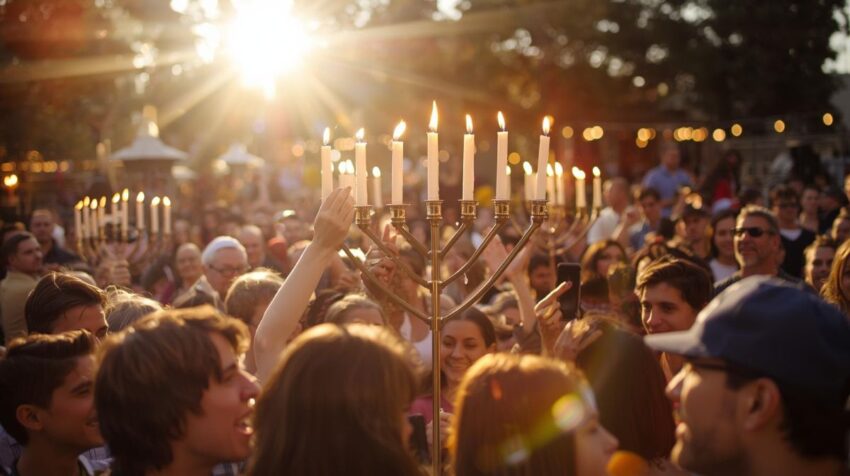
For Jews in the Northern Hemisphere, Hanukkah is inextricably linked to the longest, darkest nights of the year. It’s a holiday of warm candles casting their glow against frosty windows, a symbol of perseverance against the cold and the dark. But for communities in the Southern Hemisphere—from Sydney and Cape Town to Buenos Aires and Santiago—Hanukkah arrives in the heart of summer, often coinciding with school holidays and dazzling sunshine.
This reality creates a fascinating paradox: how do you celebrate a Festival of Lights meant to conquer darkness when the days are at their longest, and the sun sets long after the menorah is lit? The answer lies in the beautiful resilience of tradition and the ability of the spiritual message to transcend climate.
The Paradox of Light and Climate
The historical narrative of Hanukkah, focused on reclaiming the spiritual light during the dark Hellenistic oppression, aligns perfectly with the winter solstice—a time when cultures globally seek to push back the encroaching darkness.
In contrast, when Hanukkah arrives in places like Australia or South Africa, it is often a time of beach trips, summer barbecues, and sweltering heat. The ritual of gathering indoors to light candles can feel slightly at odds with the impulse to run outside and enjoy the long, warm evenings.
The solution is not to abandon the tradition, but to emphasize that the light being celebrated is not atmospheric, but spiritual. The light is less about illuminating external darkness and more about illuminating the internal commitment to faith and freedom. The enduring significance of the holiday lies in the miracle, which shines just as brightly under the Southern Cross as it does under the Northern Star.
Culinary Adaptations: From Hot Latkes to Cool Salads
Perhaps the most challenging aspect of a Southern Hemisphere Hanukkah is the food. The culinary traditions are steeped in the need for comfort and warmth:
- Latkes (Potato Pancakes): Serving piping-hot, oil-laden fried potato pancakes is a heavy undertaking in 90-degree heat.
- Sufganiyot (Jelly Doughnuts): While universally delicious, consuming heavy, sugary, fried dough can be less appealing when the body craves cool refreshment.
Southern Hemisphere communities have adapted brilliantly:
- Miniaturization: Instead of large, heavy Latkes, cooks often create mini-latkes or even zucchini fritters, making them less filling and easier to manage in the heat.
- The Outdoor Feast: The celebration moves outdoors. Backyard barbecues are common, featuring lighter fare like grilled fish, corn on the cob, and copious amounts of fresh, seasonal salads.
- Sweet Alternatives: While fried dough remains essential, it’s often balanced with fresh fruit platters, chilled desserts, and ice cream—providing a cooling contrast to the deep-fried ritual.
The olive oil, the central element of the miracle, is still honored, often used prominently in the preparation of light, fresh food rather than solely for deep-frying heavy starches.
Ambiance and Aesthetics: The Open-Air Menorah
The typical Northern image of a menorah on a windowsill, protected from winter gusts, is flipped entirely in the Southern Hemisphere. The aesthetics of the lighting ritual change dramatically:
- The Al Fresco Glow: Lighting often happens on outdoor patios, balconies, or porches. The atmosphere is relaxed and convivial, with guests sipping cool drinks instead of hot cocoa. This setting amplifies the communal nature of the holiday, as the light spills outward into the warm evening.
- A Sunset Race: With daylight hours extending past 8 PM or even later, the lighting of the menorah often occurs much later than in the North. This requires patience and careful planning, as the obligation to light the candles must be fulfilled after dark. In some communities, the late sunset means the ceremony is pushed back to accommodate dinner, reversing the traditional schedule where candles precede the meal.
- The Wind Challenge: The biggest practical challenge of an outdoor Hanukkah is the summer breeze. Communities frequently rely on glass-enclosed menorahs or specialized candle shields to protect the flame. This necessity subtly reinforces the holiday’s message: just as the Maccabees had to physically protect their spiritual light, modern celebrants must guard the tiny flames against the elements.
Hanukkah Meets Summer Holidays
The timing of Hanukkah, often falling at the beginning of the long summer school vacation in these regions, adds a relaxed, communal dimension to the celebration.
- Beach and Park Gatherings: It is common for Jewish organizations to host large, public Menorah lightings at city parks, communal swimming pools, or even on the beach. These events become massive community barbecues and picnics, where the focus is less on fighting the cold and more on enjoying the togetherness of the holiday. The celebratory spirit is amplified by the general vacation feeling in the air.
- The Dreidel Dip: Instead of playing dreidel indoors with chocolate gelt, families might take the game to the pool or the ocean, enjoying the long daylight hours with family and friends.
- The Camp Experience: Many Jewish summer camps kick off or occur during Hanukkah, making the Menorah lighting a nightly tradition for campers and counselors, further associating the holiday with outdoor fun and freedom.
In the Southern Hemisphere, Hanukkah is fundamentally transformed from an introspective winter feast into an extroverted, communal summer gathering. The warmth of the sun perfectly complements the light of the Menorah, proving that the ancient flame of faith and resilience requires no specific climate to burn bright. The true miracle is how Jewish tradition adapts, thrives, and continues to illuminate the world, whatever the season.