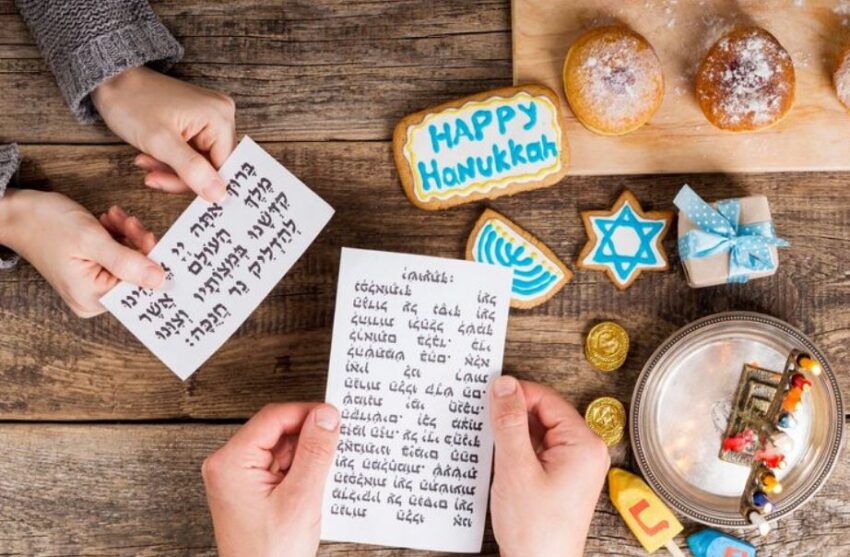
When a parent uploads a picture of their five-year-old, an algorithm redraws the child standing next to a chanukiah, shamash in hand, sleeves pushed up exactly as in the original image. This is a brief, slightly strange moment. Perhaps ninety seconds pass. The companies developing these products are wagering that if enough families repeat ninety seconds each December, it will add up to something tangible.
It hardly needs to be explained because the pitch is so straightforward. Generative AI creates a children’s book with your child as the protagonist, lighting the first candle, spinning the dreidel, and asking the same question that every Jewish child eventually asks—why the oil lasted eight nights instead of one—after you select a plot, upload a photo, and select an age group. Include a sibling. Include Savta. If the family wants something to put on the shelf next to the Haggadah, one platform offers more than 184,000 already-written books. An eBook costs $7.99, while a hardcover costs $39.99.
At first glance, it’s important to note that this isn’t actually a Hanukkah company. The fact that a personalization company created a Hanukkah template speaks volumes about the future of this technology. A child’s face on a storybook page rather than a brand recommendation in a chat window is an example of how the same generative tools that Google is currently integrating into Gmail and Photos are subtly analyzing a family’s preferences for AI search results.
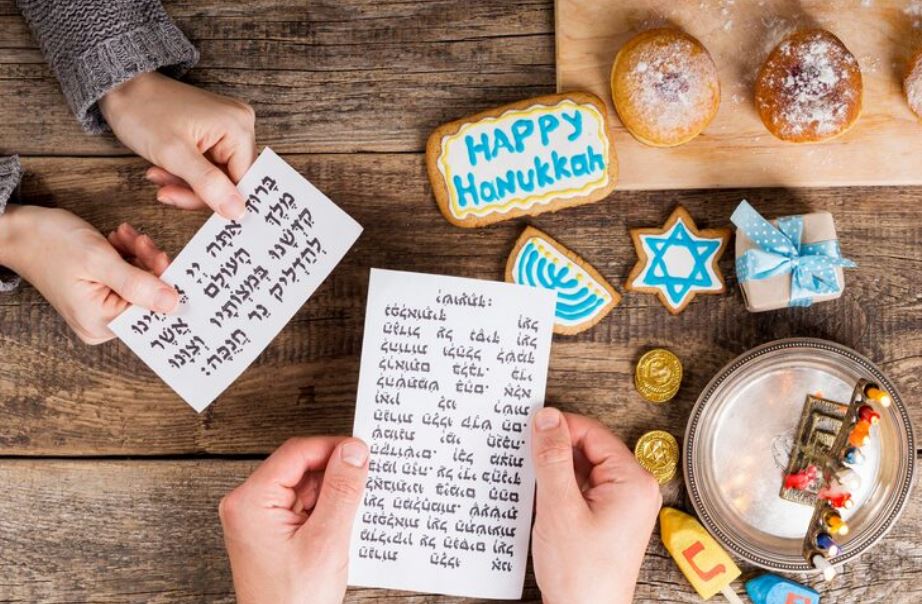
This specific holiday serves as a convenient testing ground for a reason. Personalized publishing is similar to the story of Hanukkah, which is about light multiplying in a dark month through a small ritual that is repeated eight times with minor variations. When you stroll through a Jewish day school in December, you’ll see menorahs made of glitter glue, laminated paper dreidels, and the same desire for a six-year-old to make faith tangible. It’s not too far from an AI book that places a child’s real face next to the candles. It is a mechanized version of the same impulse.
Here, skepticism seems reasonable, and it’s not limited to those who find AI imagery a little eerie. The real demand, according to the founders of this field—including the team behind StoryWizard, an Israeli platform that allows children to write and illustrate their own stories—came from classrooms rather than gift-givers. Teachers noticed that students who typically shied away from writing suddenly wanted to finish a story because they had created it themselves. A relative ordering a Hanukkah memento from three states away is a very different use case, and it begs the question of whether the holiday-specific version is a legitimate product or just a clever seasonal wrapper on more general personalization technology.
It’s also difficult to ignore the timing. This past Hanukkah, social media was already overflowing with AI jokes, a spoof video of “Apple Dreidel,” and AI-generated Maccabean battle scenes. This indicates that viewers are prepared to laugh when AI touches Jewish tradition before they are ready to trust it with sentimental content. It’s genuinely unclear if this appetite leads to people purchasing a $39.99 hardcover instead of merely enjoying a sixteen-second reel.
The fundamental change these books represent—publishing that is personalized by a child’s real likeness rendered into the scene rather than by name embossed on a cover, the old trick—seems more enduring. The wager these startups are discreetly making this season is whether families want their customs to be customized in this particular way or whether part of Hanukkah’s appeal stems from the story being told the same way for generations.