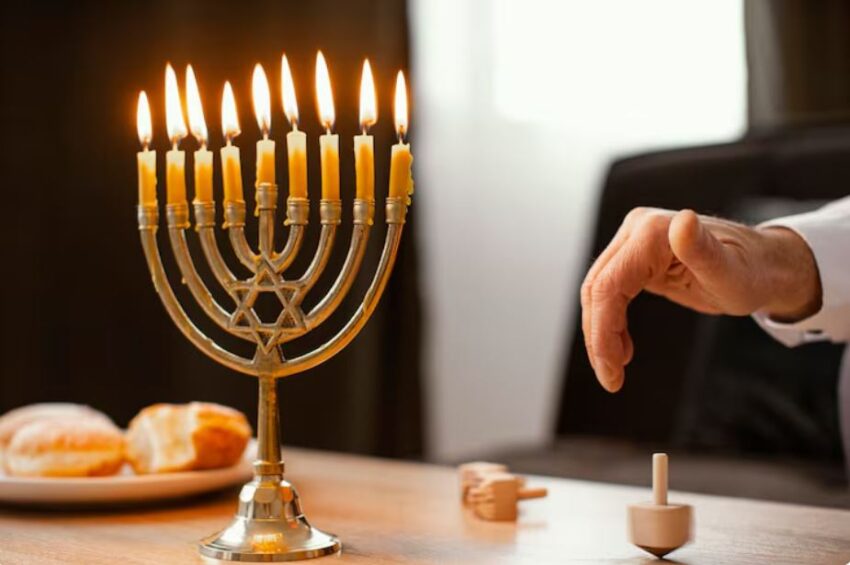
Over candlelight and fried dough, a certain kind of small talk takes place that sounds nothing like diplomacy. However, if you walk into nearly any embassy reception during Hanukkah season, whether in Washington, Vienna, Doha, or Ottawa, you’ll notice something that formal summits seldom capture: officials from unrelated nations standing shoulder to shoulder, holding tiny glasses of wine, and talking about nothing specific until, eventually, they’re talking about something.
The whole point is the conflict between casualness and consequences. Israeli diplomats with no official presence in Qatar attended a candle-lighting ceremony held by the U.S. Embassy in Doha in December 2022. They were there for a short time, connected to the World Cup, and functioning under a covert agreement made prior to the competition’s start. After serving with Jewish Marines years prior, Ambassador Timmy Davis developed an appreciation for the holiday and led the ceremony himself. It’s a minor detail, but it illustrates how these moments are created—not by policy memos, but by individuals who just so happened to recall a colleague’s custom and felt it was important enough to host.
The frequency of this pattern’s repetition is remarkable. Hanukkah receptions have been embraced by embassies in Canada, Morocco, and Austria as low-stakes, high-value get-togethers where a foreign ministry official can shake hands with someone they would otherwise never formally meet. This past December marked the fifteenth annual celebration of the Austrian Embassy in Washington, an uninterrupted run that spanned multiple political shifts on both sides. Even though no one says it aloud, lighting the same candle in the same building for fifteen years is a statement in and of itself.
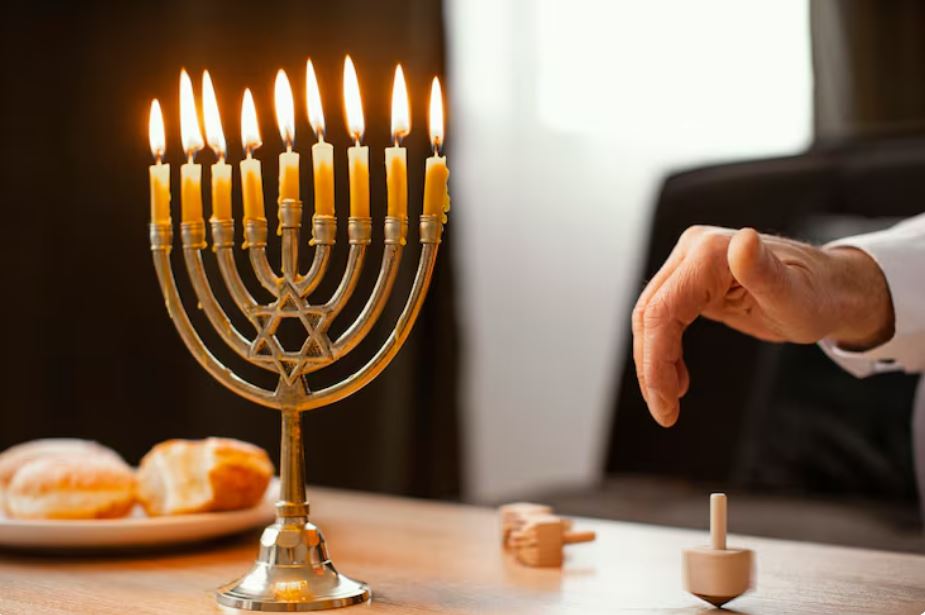
Why a religious holiday, of all things, became so beneficial is worth considering. Adding a menorah to the calendar doesn’t require much political guts because Hanukkah falls during a time when embassies are already hosting holiday events. However, the symbolism—light in the midst of darkness, a tiny flame persevering in the face of overwhelming odds—also transcends cultural boundaries. Even though they would be reluctant to stand close to each other’s flags, diplomats from very different backgrounds seem to find it easy to do so.
It would be a stretch to say that a candle-lighting ceremony has ever resolved a problem on its own, and none of this takes the place of actual negotiation. It appears to keep channels warm, though. A foreign ministry employee is more likely to answer the phone in March if they arrive for latkes in December. That’s not insignificant, especially in areas where informal contact is frequently the only option and formal diplomatic ties are weak or nonexistent.
If you’re just counting handshakes, it’s easy to overlook the more subdued, human aspect of these events. During one of the frequent power outages in Mykolaiv, Ukraine, a local rabbi used a borrowed generator to light a menorah while the building next to it was still damaged from shelling. Although that isn’t embassy diplomacy in the conventional sense, it does reflect the same instinct—using a small, obstinate ritual to insist that everyday connection endures even in the face of chaos.
It’s hard not to notice that these receptions have grown busier, not quieter, even as official relations in several regions have grown more strained. Whether that’s resilience or just habit is genuinely unclear. But year after year, the candles get lit, the same unlikely guest lists assemble, and something — modest, unofficial, easy to underestimate — keeps quietly getting passed along.