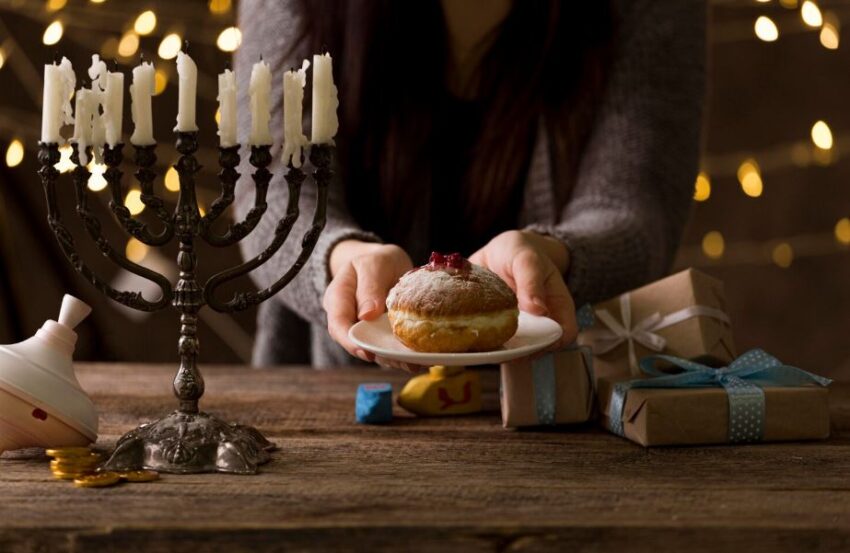
There is a particular kind of video that shows up every December: a phone propped against a kitchen window, a menorah catching the last light of dusk, someone narrating the blessing in a half-whisper before the candles take. It looks small. It is not small anymore. Hanukkah, a holiday Jewish tradition has always ranked well below Yom Kippur or Passover in religious weight, has found an outsized second life on TikTok and Instagram, carried less by rabbis than by a loose, scrappy network of creators who never planned to become anyone’s religious educator.
That shift has a name now, even if it sounds a little odd at first: Hanukkah influencers. The label covers a wide range of people — food bloggers frying latkes for the camera, Orthodox women narrating their daily lives, a knitter who happens to make Hanukkah sweaters, comedians riffing on dreidel etiquette. What ties them together is less aesthetic than mission. These creators, who collectively have over 15 million followers, go beyond entertainment, fostering awareness, challenging misinformation and building digital communities that connect Jewish teens worldwide. It’s worth sitting with that number for a second. Fifteen million is not a niche.
Take Melinda Strauss, an Orthodox creator whose videos move between kosher cooking and gentle myth-busting. She creates content ranging from kosher-inspired meals to common Jewish stereotypes and how to challenge them, and the response she gets suggests people are genuinely learning something, not just scrolling past. One viewer admitted she’d always assumed Hanukkah was basically a Jewish Christmas, until a creator’s video corrected that. It’s a small moment, but it captures the whole phenomenon in miniature — a holiday explaining itself to an audience that never had a synagogue class to attend.
Then there are the creators whose Hanukkah content arrived almost by accident. One knitter, who has made a handful of Hanukkah sweaters among many other designs, frames teaching others as connected to his Jewish identity, recalling that as a child he learned it’s a mitzvah to pass on a skill. Another creator’s video of dancing to a Hanukkah song went viral with the caption reminding viewers that Black Jews exist, turning a holiday clip into a quiet statement about who gets seen as Jewish at all. Neither of those videos set out to be educational. They became that anyway, which says something about how this format works — sincerity travels further than polish.
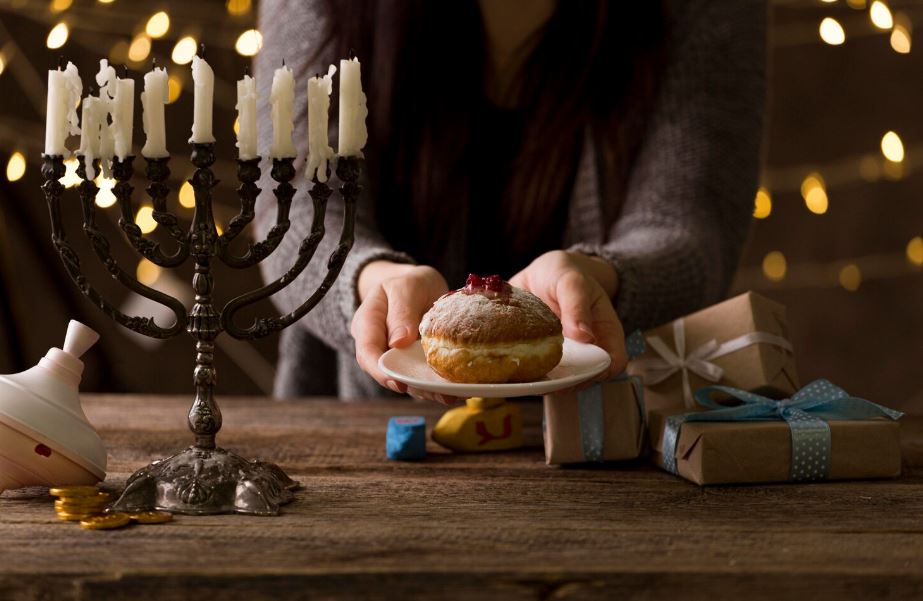
The food side of this deserves its own mention, mostly because it complicates the popular image of Hanukkah as latkes-and-menorahs and nothing else. Sephardic creators have been pushing back gently on that flattening, showing leek fritters instead of potato pancakes, fried cheese balls instead of jelly donuts, each dish carrying its own migration story from Spain or Morocco or the Ottoman world. It’s a useful corrective, and it’s probably why the genre keeps growing — there’s more material here than most people realize, and creators seem to know it.
There’s a commercial layer underneath all of this too, and it would be naive to pretend otherwise. Holiday content performs well, brand deals follow engagement, and creators with larger followings can earn meaningfully more per sponsored post than smaller accounts. Whether that pressure eventually flattens the sincerity that made this content work in the first place is an open question. It hasn’t yet, as far as I can tell. But it’s the kind of thing worth watching, the way any subculture changes once money notices it’s there.
What seems true right now is that Hanukkah’s influencer moment isn’t really about Hanukkah outgrowing its minor-holiday status. It’s about a generation of Jewish creators deciding that explaining their own tradition, candidly and without much editing, is worth doing in public. The internet just happened to be where that conversation landed.