Wine has not been given much thought at the Hanukkah dinner table during the most of its history in American cuisine. Perhaps Manischewitz, the thick, sweet wine that generations of American Jewish families almost automatically identify with the holiday—not because it pairs well with latkes, but rather because it was available, it was customary, and no one was really posing the question in a different way. That is evolving. The same rigor that sommeliers have long given to Thanksgiving and Christmas dinners is beginning to be applied to Hanukkah dinners. Sommeliers spend their professional life considering what goes in a glass next to what’s on a plate.
Instead of being sentimental, the reasoning is culinary. Hanukkah cuisine is intentionally high in oil. The meal focuses on fat cooked in fat because the whole purpose of the fried delicacies, like as latkes and sufganiyot, is to honor the miracle of the oil in the Temple of Jerusalem. That’s a real culinary challenge, and if you pick the appropriate bottle, wine does a pretty good job of handling it. Sparkling wines and high-acid wines cut through oil in an almost physical sense; the acidity and effervescence serve as a palate reset in between bites, preventing the food from getting heavier as the meal progresses.
Sommeliers consistently suggest two types of wines with potato latkes: crisp Sauvignon Blanc and sparkling wines like Prosecco. Both are light enough to work with sour cream or applesauce and acidic enough to cut through frying oil. The distinct grassiness of Loire Valley Sauvignon Blanc, such as Sancerre or Pouilly-Fumé, resists the starchiness of potatoes. At a Christmas dinner where not everyone at the table has strong wine opinions, Prosecco’s forgiveness and crowd-pleasing qualities are crucial.
Brisket is a distinct issue. It is made by slow-braising onions, broth, and aromatics for hours. The result is something incredibly flavorful, not lean like a roast or smoky like barbecue, but gelatinous and rich in a way that requires something with sufficient body to match. Because the fruit notes reflect the sweetness that emerges in a long braise and the tannins provide some structure without overpowering the meat, a fruit-forward Merlot or a medium Cabernet Sauvignon usually works here—not because either wine is particularly robust. The wine basically imitates a thick pan sauce in this type of combination.
The jelly doughnuts known as sufganiyot, which are served with latkes, present the most intriguing pairing problem because most savory dinner wines can’t manage their sweetness. In this case, the solution is something sweet and fizzy in and of itself, which is not the same as the dinner wine. The reason champagne works is that the natural acidity and bubbles cut the powdered sugar without interfering with the jelly filling. A slightly more surprising option that appears on more daring combination lists is Italian Brachetto d’Acqui, a delicious crimson with a hint of sparkle. If serving ice wine as a dessert wine, it has enough sweetness to complement a jelly doughnut without being overpowered.
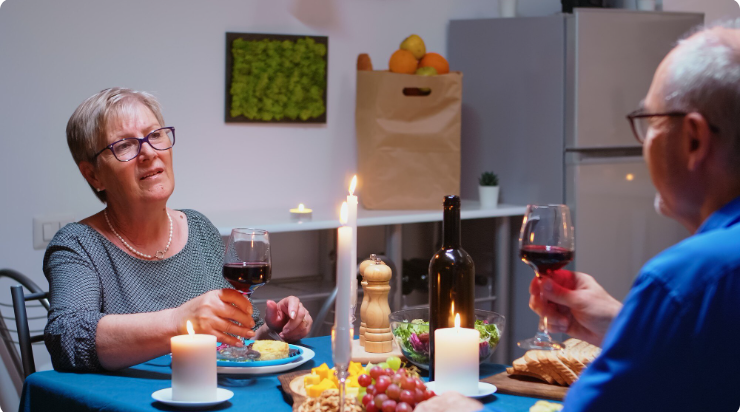
Here, there is a more general change in the way Hanukkah is perceived as a food holiday. For the past ten or so years, food media and restaurant culture have treated the holiday as a full-fledged dining event rather than a little occasion with a few traditional recipes attached. As a result of that focus, people are now inquiring about Hanukkah cuisine in ways they weren’t previously, including what to drink with it.