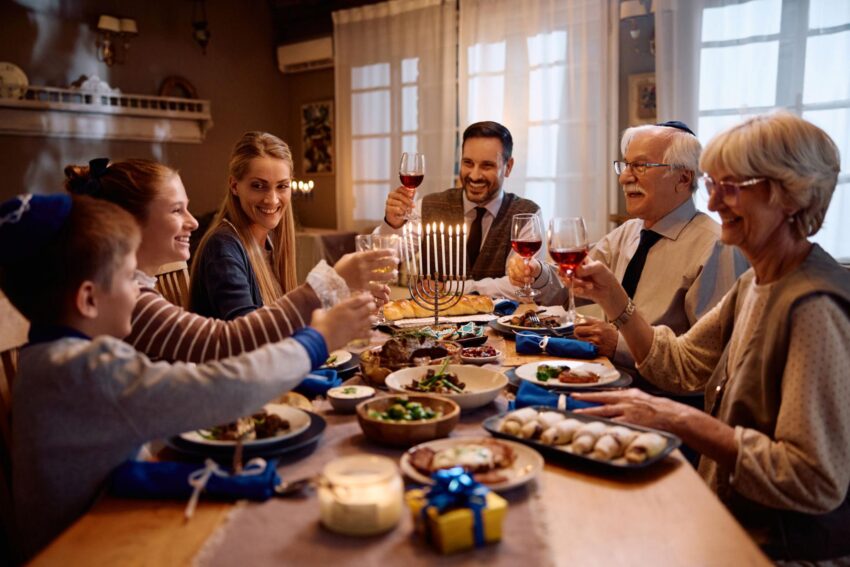
Modern life is more connected than ever,at least on the surface.
People message instantly, join virtual communities, and share life updates across social platforms in seconds. Yet despite all this digital connection, many people feel lonelier, busier, and more emotionally disconnected than before.
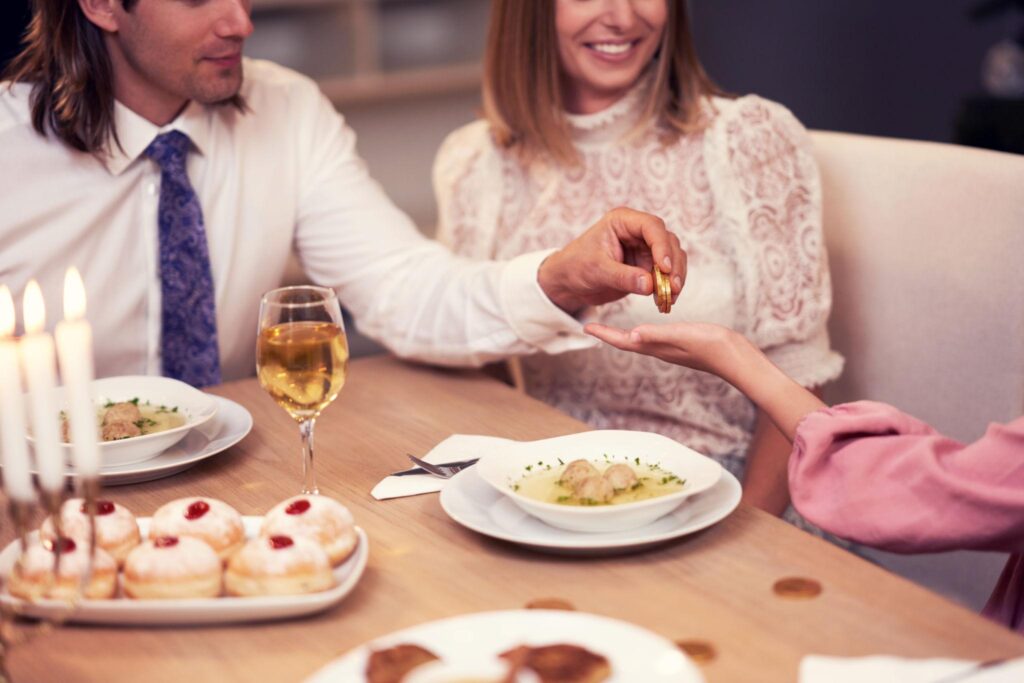
This is exactly why traditions like Hanukkah matter.
At first glance, Hanukkah may appear to be a celebration centered around candles, food, games, and gifts. But underneath these familiar customs lies something much more meaningful: togetherness.
Hanukkah creates opportunities for families and communities to gather, slow down, and reconnect. It reminds people that traditions are not simply rituals to repeat—they are experiences that strengthen relationships and preserve belonging.
In many ways, the social side of Hanukkah feels more important today than ever before.
Hanukkah Is Built Around Gathering
Unlike holidays focused entirely on grand events or elaborate celebrations, Hanukkah grows stronger through repetition and shared participation.
For eight nights, families often come together to light candles, share meals, tell stories, sing songs, and play games.
The beauty lies in the rhythm.
Each evening becomes another chance to reconnect.
Even small traditions—gathering around the menorah, sharing fried foods, or watching children spin dreidels—create moments of consistency and comfort.
In a world where schedules constantly pull people apart, these repeated experiences matter.
Traditions give people a reason to pause.
And sometimes, pausing together is exactly what relationships need.
Why Shared Rituals Strengthen Families
Researchers and psychologists often emphasize the importance of rituals in building emotional stability and family connection.
But long before modern studies existed, cultures understood this intuitively.
Hanukkah traditions create emotional anchors.
Lighting candles together may seem simple, but repeated experiences become powerful memories over time.
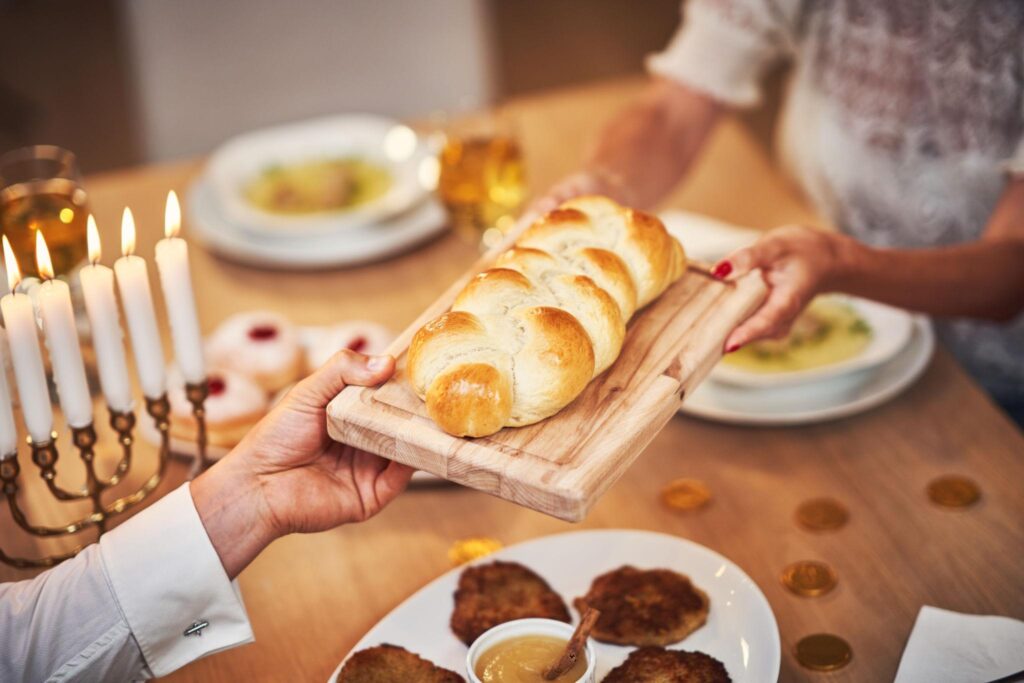
Children remember where they sat.
Parents remember laughter around the table.
Grandparents remember stories shared between generations.
The tradition becomes larger than the activity itself.
Years later, even the smell of fried foods or the glow of candlelight can instantly reconnect someone to feelings of warmth, safety, and belonging.
That emotional continuity matters more than people often realize.
The Power of Storytelling During Hanukkah
One overlooked social benefit of Hanukkah is storytelling.
Families often share stories about faith, perseverance, history, identity, and personal memories connected to past celebrations.
Stories do something unique.
They connect generations.
A child hearing how grandparents celebrated Hanukkah decades earlier begins to understand their place inside something larger.
Traditions stop feeling abstract.
Instead, they become personal.
The holiday becomes not just something celebrated—but something inherited.
In this way, Hanukkah quietly strengthens community identity through conversation.
Sometimes the most meaningful moments are not the formal rituals, but the conversations happening around them.
Why Small Traditions Matter More in the Digital Age
Today, distraction competes for attention every minute.
Phones buzz.
Notifications interrupt conversations.
Streaming platforms fill silence.
Work follows people home.
Because of this, shared rituals matter even more.
Hanukkah offers structured moments to disconnect from endless noise and reconnect with real people.
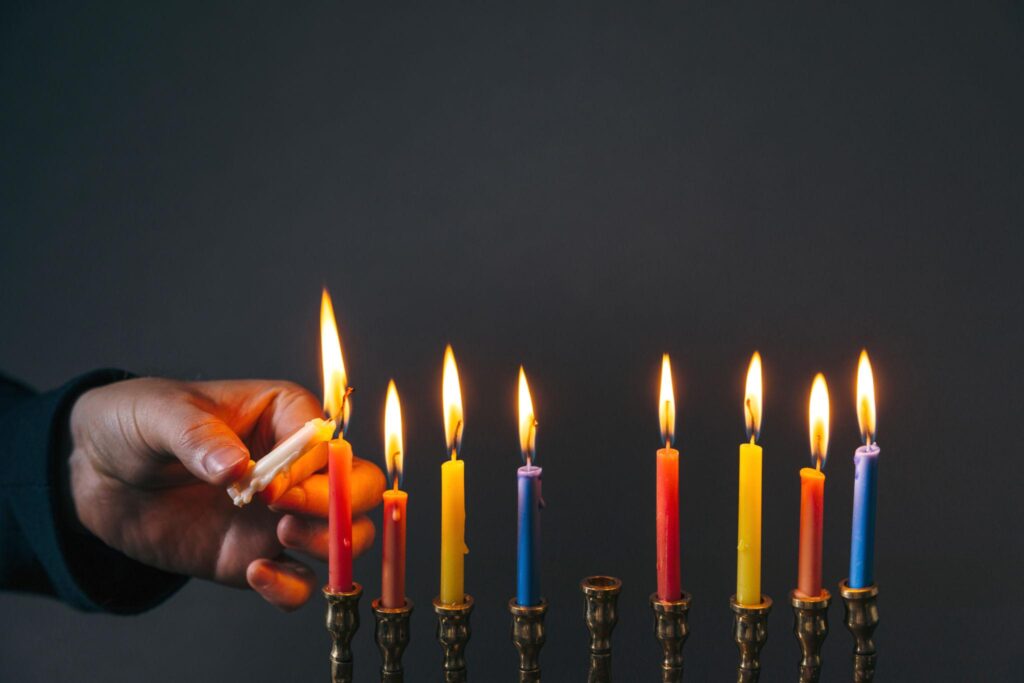
Lighting candles together encourages stillness.
Playing dreidel invites laughter.
Sharing meals encourages conversation.
These experiences may feel ordinary in the moment, but they create something rare in modern life: uninterrupted presence.
That presence strengthens emotional connection.
In a culture obsessed with productivity and speed, Hanukkah quietly teaches something different—that time spent together has value on its own.
The Social Role of Hanukkah Food
Food has always played an important role in community.
Hanukkah is no exception.
Meals naturally create opportunities for storytelling, conversation, and celebration.
Preparing traditional foods often becomes collaborative.
Parents cook alongside children.
Relatives share recipes.
Friends gather around tables.
These experiences create emotional memory.
People rarely remember every conversation years later, but they remember how a gathering felt.
Warm.
Joyful.
Comforting.
Food often becomes the bridge connecting memory to belonging.
That is part of why holiday meals feel emotionally powerful.
The Dreidel: A Small Game With a Big Social Purpose
The dreidel game may seem simple, but socially, it serves an important purpose.
Games reduce pressure.
They encourage laughter.
They create participation across generations.
A grandparent, teenager, and child can all sit together and play.
Few activities naturally bring together different age groups so effortlessly.
In many homes, the game becomes less about winning and more about connection.
Friendly competition sparks conversation.
Shared laughter builds closeness.
And without realizing it, families create memories that may last decades.
Sometimes social bonding begins with something as small as a spinning toy.
Why Community Traditions Matter Beyond Family
Hanukkah is not only about immediate family.
Communities often celebrate through public gatherings, cultural events, neighborhood menorah lightings, charitable efforts, and shared meals.
These communal experiences help people feel seen and connected.
Especially during stressful or uncertain periods, belonging matters.
Humans naturally seek shared experiences.
Celebrating together reminds people they are part of something larger than themselves.
That feeling can be deeply comforting.
It also strengthens cultural continuity by passing traditions into future generations.
Hanukkah as an Antidote to Modern Isolation
Loneliness has become a growing challenge across many societies.
People may live surrounded by others and still feel disconnected.
One reason traditions remain powerful is because they create intentional moments of togetherness.
Hanukkah gently pushes people toward connection.
- Sit together.
- Light candles.
- Talk.
- Eat.
- Play.
- Remember.
These actions may seem small, but repeated over time, they become emotionally meaningful.
In a fragmented world, shared traditions act like glue.
They hold relationships together.
Conclusion: Why Shared Traditions Matter More Than Ever
Hanukkah is often remembered for lights, dreidels, food, and celebration.
But perhaps its greatest lesson is social.
It reminds people that relationships grow through repeated moments of togetherness.
- Shared rituals create memory.
- Stories preserve identity.
- Games create laughter.
- Meals create comfort.
- And candlelight creates pause.
At a time when distraction feels constant and loneliness feels increasingly common, traditions matter more than ever.
Hanukkah teaches that connection does not always require grand gestures.
Sometimes, it begins simply—with a meal, a story, a spinning dreidel, and people gathering around the same table.